
It’s Not Torture, It’s Fitness
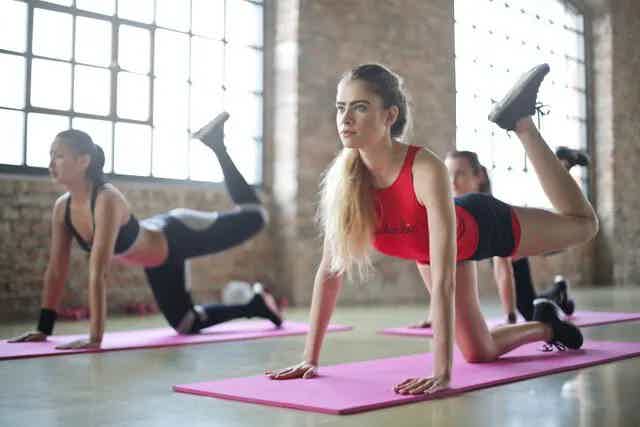
I get it. In a world brimming with demands and distractions, it's easy to let exercise slip through the cracks of our daily routines. Many of us find ourselves tethered to desks or couches, swamped by a sea of screens and commitments. However, the importance of exercise cannot be overstated. It is truly the cornerstone of a healthier, more vibrant life, offering benefits that extend far beyond a chiseled physique. While many tend to consider any form of exercise as torture, there is another way to look at it. Those of us who have full use of our bodies ought really to see exercise as a privilege. How lucky are we that we get to move?

Physical exercise is an elixir for our system. It’s not about getting or staying thin - it’s about conditioning and strengthening muscles and bones, reducing the risk of injury, and promoting longevity. Moreover, exercise is a natural mood enhancer. When you engage in physical activity, your body releases endorphins, often referred to as "feel-good" hormones. These endorphins can alleviate symptoms of depression and anxiety, improve self-esteem, and boost your overall sense of well-being. It's like a natural antidepressant that can improve your mental health and quality of life.
Cognitive Benefits:
The advantages of exercise aren't confined to your physical self; they extend to your mental faculties as well. Regular workouts have been shown to enhance cognitive functions, including memory, focus, and problem-solving skills. Exercise increases blood flow to the brain, delivering essential nutrients and oxygen, which can foster the growth of new brain cells.
In today's fast-paced world, where cognitive demands are continually on the rise, exercise can be a powerful tool for enhancing productivity and mental resilience. Whether you're a student aiming for academic excellence, a professional striving for career success, or a retiree seeking to maintain mental agility, incorporating exercise into your daily routine can help you stay sharp and adaptable.

Social and Emotional Benefits:
Exercise can also be a social and emotional lifeline. Participating in group
activities, sports, or fitness classes provides opportunities for social interaction and the formation of meaningful connections. These social bonds can mitigate feelings of loneliness and contribute to a strong support system.
Furthermore, exercise is an excellent stress reliever. It offers a healthy outlet for pent-up emotions, reducing the risk of chronic stress-related conditions. Whether it's a calming yoga session, an exhilarating run, or a well-paced walk, exercise can help you manage stress and maintain emotional balance.
Longevity and Quality of Life:
Finally, exercise is a powerful tool for increasing longevity and ensuring a high quality of life in your golden years. It helps maintain mobility and independence as you age, reducing the risk of falls and injuries. By keeping your body strong and resilient, exercise allows you to enjoy your later years with vitality and vigor.
In conclusion, exercise is not a luxury but a necessity for a fulfilling and healthy life. It benefits your physical health, sharpens your mind, nourishes your emotional well-being, and enhances your overall quality of life.
Don’t put it off - start today:
Regardless of your age or fitness level, finding ways to incorporate regular physical activity into your daily routine is an investment in your future wellbeing —one that pays rich dividends in the form of a longer, happier, and more vibrant life.
Committing to exercise isn’t something that will get easier tomorrow, next week, or next year. If we want to be healthy and vibrant, it means we start today. So, let's lace up our sneakers, stretch our limits, and embrace the transformative power of exercise. Take it slow and increase your commitment incrementally as your fitness level improves. Choose something that you can tolerate to begin with - whether that’s walking, cycling, yoga, or running. The goal is to exercise 150 minutes per week - that’s 30 minutes, 5 days a week - in a combination of high-intensity, strength training, and stretching. Don’t let the end goal intimidate you - start where you are and work up. Your body and mind will thank you, today and for years to come.
Need help?
Sometimes we need a hand getting in the groove with new habits. If that’s you, I’m here to help get your movement practice jumpstarted. Give me a call today!